
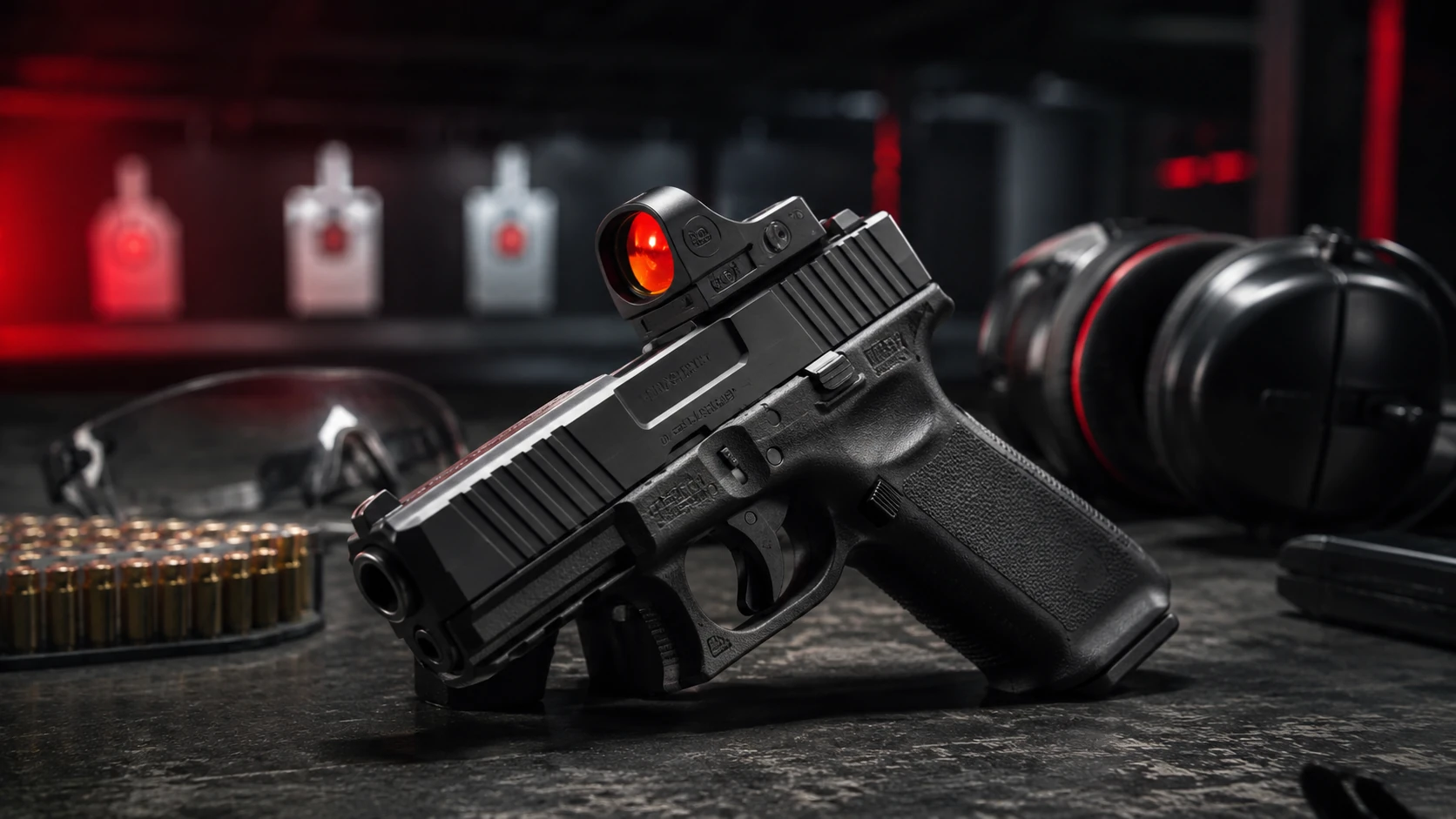
Pistol Mounted Optic: Yes or No?
A first-person review of pistol red-dot advantages, disadvantages and the reliability problems that led Bartosz back to iron sights.
Pistol-mounted optics have moved from competition equipment into mainstream training, duty and personal-defence use. The original article was not intended to claim that red dots are bad. It was a personal account from Bartosz Zukowski after more than four years of using one and eventually returning to iron sights.
A red dot can provide a clear target-focused sight picture, reveal errors in presentation and recoil control, and support accurate shooting at distance. It also adds cost, electronics, a mounting interface, a lens and a battery that must all work when needed.
This version preserves the original pros, cons and specific experiences with a SIG P320 X Carry and ROMEO1 while improving the language and separating personal preference from general advice.
- A red dot allows target-focused aiming and can simplify precision shooting.
- The movement of the dot provides immediate feedback about grip, presentation and trigger control.
- The system adds cost, battery dependence, mounting requirements and weather sensitivity.
- Bartosz returned to iron sights after repeated battery, weather and zero-retention problems with his setup.
- Every shooter should test both systems and choose the one that remains dependable in the intended role.
Why the red dot was attractive in the first place
A pistol red dot places a single aiming reference in the same visual plane as the target. Instead of constantly shifting focus between rear sight, front sight and target, the shooter can remain target focused and superimpose the dot on the desired point of impact.
When the pistol is presented consistently, the dot appears naturally. When the grip or presentation is poor, the dot may be difficult to find. This makes the optic a useful diagnostic tool as well as a sighting system.
Five advantages of a pistol-mounted optic
The original article identified five reasons why a red dot can be useful. These benefits remain valid when the optic is properly selected, installed, zeroed and trained with.
- Clear sight picture on the target. The shooter can maintain visual attention on the target rather than trying to keep three visual planes aligned.
- Excellent self-analysis tool. Dot movement makes recoil management, anticipation and trigger disturbance easier to observe.
- Improved precision. A correctly zeroed dot can support accurate shooting at longer pistol distances without obscuring the target.
- Consistent grip and presentation. A poor presentation immediately reveals itself when the dot is not visible in the window.
- Useful for some eyesight conditions. Shooters who struggle to focus on a front sight may find an optic easier, although astigmatism can make the dot appear distorted.
The disadvantages are real, not theoretical
A pistol optic adds an electronic device and mounting system to a tool that may be carried, dropped, exposed to rain and used under time pressure. High-quality optics can be extremely reliable, but reliability still depends on batteries, screws, plates, installation, maintenance and the condition of the lens.
- Cost. A dependable optic, mounting plate, suitable holster and backup sights can represent a substantial investment.
- Electronic and mechanical failure. Batteries can die, electronics can fail, screws can loosen and the zero can shift.
- Weather and contamination. Rain, condensation, mud or debris can distort the sight picture through the lens.
- Learning curve. New shooters often struggle to find the dot during the draw until their grip and presentation become consistent.
The reliability problems that changed the decision
The personal setup described in the original article was a SIG P320 X Carry fitted with a ROMEO1 optic. The accuracy and speed were good when the optic worked, but several incidents reduced confidence in the system.
Before one course the optic appeared to work correctly, but the battery was dead on arrival at the range. On another occasion it failed after travelling to the Protect Home and Family Competition. A spare battery solved the immediate problem, but the incident raised a more serious question about depending on the optic for personal protection.
The pistol did not have usable backup iron sights with that configuration. If the optic failed, there was no immediate alternative sighting system. During other courses the optic occasionally switched off, and rain on the lens turned the sight picture into a confusing collection of reflected dots and star shapes.
The final issue was loss of zero on the vertical axis. During demonstrations, impacts began moving higher or lower than expected. After repeated problems in training and competition, Bartosz decided that the confidence gained from iron sights was more important than the advantages of the optic on that particular pistol.
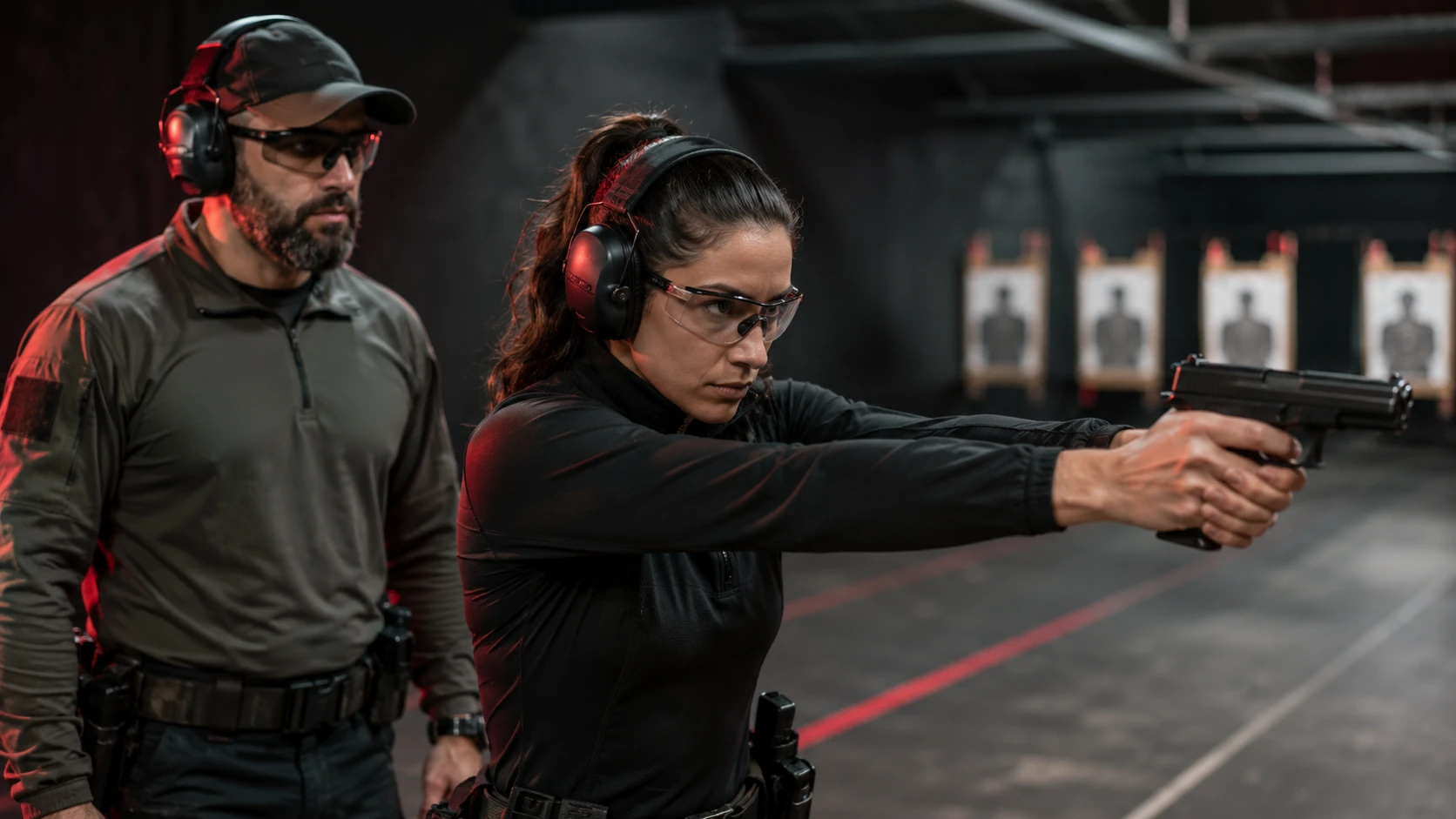
A better optic setup can reduce many of these problems
The experience above relates to one optic, one mounting arrangement and one period of use. Modern enclosed-emitter optics, stronger mounting systems, improved battery life and co-witnessed iron sights can reduce several failure modes.
A shooter considering an optic should choose a proven model, use the correct plate or direct mount, follow the manufacturer torque and thread-locking instructions, verify zero regularly and replace batteries on a planned schedule. A compatible holster and backup sighting solution should be considered when the pistol is used for duty or personal protection.
- Use a reputable optic designed for the recoil and environment of a pistol.
- Confirm the mounting system and screw length are correct for the slide.
- Zero the optic with the ammunition and distance relevant to the intended use.
- Mark screws so movement can be noticed during inspection.
- Train in rain, bright sunlight, low light and awkward presentations rather than only on a perfect indoor lane.
Presentation, grip and trigger control still decide performance
A dot can expose poor technique, but it cannot fix it. The shooter still needs a repeatable grip, stable posture, efficient draw, safe muzzle management and clean trigger manipulation.
Training should include finding the dot from different ready positions, recovering it after recoil, using the optic at close and longer distances, understanding mechanical offset and continuing safely if the dot is lost or unavailable.
How to decide whether a red dot is right for you
- Define the role. Competition, general range use, duty and concealed carry place different demands on equipment.
- Try before buying. Use a rental or training pistol and compare it with iron sights under instruction.
- Budget for the complete system. Include the optic, mount, holster, batteries and backup sights.
- Test reliability. Confirm zero and function over a meaningful round count and in realistic conditions.
- Choose confidence over fashion. Use the sighting system you can operate consistently and trust.
The best sighting system is the one you can use consistently
Red dots provide genuine advantages and many shooters use them successfully. Bartosz personal experience led him back to iron sights because repeated failures reduced trust in his setup.
The recommendation is not to reject optics, but to try them, understand the maintenance and training commitment, and make a decision based on evidence from your own shooting.